

 Teach English in Asia
  Cruise Ship Jobs
  Alaska Fishing Industry Jobs
  Sharing Economy / Gig Economy
 Denali National Park
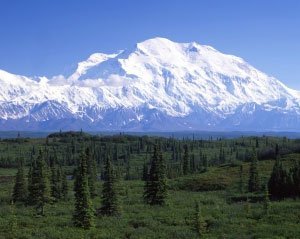
Denali National Park & Preserve, managed by the U.S. National Park Service, offers a spectacular setting for learning and recreation. The park contains North America’s highest mountain (Mt. Denali formerly called Mt. McKinley) and encompasses 6 million acres of sub-arctic ecosystem, as well as large glaciers.
Mt. Denali (August 30, 2015 – the mountain’s name was changed back to Mt. Denali from Mt. McKinley) is at the heart of the park, rising 18,000 feet above the surrounding lowlands. A major fault system runs through the Alaska range, causing thousands of earthquakes a year.
Braided glacial rivers run off the mountains through wide floodplains. Fossilized dinosaur tracks provide evidence of a very different ecosystem 70 million years ago, when hadrosaurs (duck-billed dinosaurs) and carnivorous theropods roamed a much warmer Alaska.
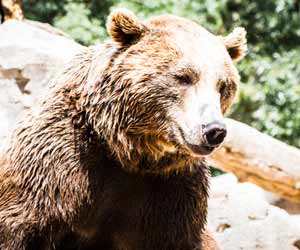
The park is home to wolves, grizzly bears, moose, caribou, Dall sheep, and hundreds of species of plants, all adapted to Denali’s short summers and long, cold winters. Wildlife viewing is a popular visitor activity at Denali.
— View Alaska Summer Job Postings —
Getting There and Around
The park’s main headquarters are located along Alaska Route 3, about 240 miles north of Anchorage and 125 south of Fairbanks. The mountaineering headquarters are located in Talkeetna, approximately 100 miles north of Anchorage. Summer workers who don’t wish to bring a car can take a shuttle or an Alaska Railroad train from Anchorage or Fairbanks.
The Denali Park Road is mostly closed to private vehicles, so the park offers shuttle bus service as well as buses for campers going into the backcountry.
Activities
Popular summer activities include wildlife viewing, mountaineering, backpacking, hiking, cycling, camping, and photography.
The park also hosts a variety of special events, and the affiliated Murie Science and Learning Center offers summer field seminars.
Winter activities include cross-country skiing, dog sledding, snowshoeing, and snowmobiling.
Weather
Weather in Denali is extremely variable, and weather often changes suddenly. Summer temperatures usually range from 33 to 75 degrees Fahrenheit, but it has been known to snow in July. It’s a good idea to wear layered clothing and pack a waterproof raincoat.
Winter temperatures can range from -40 and below to high 20s. Specialized old weather gear is quite necessary for mountaineering and doing any kind of winter work as it gets a big wet out.
Website: Denali National Park