

 Teach English in Asia
  Cruise Ship Jobs
 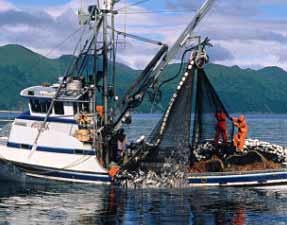 Alaska Fishing Industry Jobs
  Sharing Economy / Gig Economy
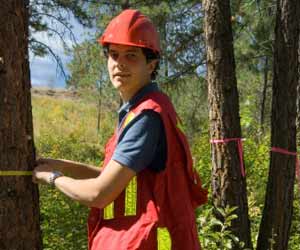
 Reforestation for Environmental Reasons
Trees and forests are a critical piece to global environmental health. Trees have the ability to absorb greenhouse gases through processes like carbon sequestration that have a positive impact on climate change. In addition, most forests provide environmental benefits such as wildlife habitat and watershed protection. Therefore, maintaining forests at levels able to sustain their roles is a major goal of reforestation.
Understanding the impact of man’s activities on the earth’s climate has gained considerable attention over the past two decades. Governments around the world put massive amounts of money and resources into climate change, usually in determining methods to reduce their carbon dioxide emissions.
Reforestation addresses the same concerns through removing carbon dioxide from the atmosphere. Trees utilize the process of photosynthesis to remove carbon dioxide from the air and store it in their cells.
According to carbonfund.org, scientists suggest deforestation is responsible for about 25 percent of climate change, making reforestation a vital step in combating the issue.
While trees are a core resource for human homes and other buildings, they themselves serve as the homes of thousands of living organisms, including wildlife, insects, plants and other species. There are at least 1,000 different identified tree species and over 20,000 plant species in the United States and Canada that provide habitat for thousands of species of animals, birds and insects. Reforestation practices serve as human stewardship in protecting this lush diversity.
One popular way the need for reforestation often comes to light is in replacing trees in areas hit by forest fires, whether by natural or man-made causes.
According to the Canadian National Forestry Database, 1,782,426 hectares were burned in Canada in 2016 in controlled or uncontrolled fashion. Those fires transform a lush forest environment into a nearly unlivable landscape that takes many years to return to its original state. While fires can be thought of as part of the cycle of life and serve major roles in several ecosystems, natural restoration of areas impacted by fire typically takes much longer to achieve than what desired uses can wait for. In addition, a forested area, whether it be acres of preserved park land or in an urban environment, which is left untouched after a forest fire serves as a serious risk of erosion.
The possibility of damaging land available for reforestation at a later date then increases.