

 Teach English in Asia
  Cruise Ship Jobs
 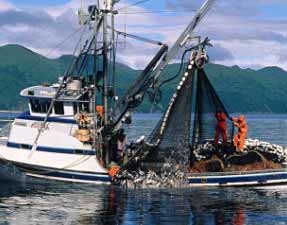 Alaska Fishing Industry Jobs
  Sharing Economy / Gig Economy
 Working with Animals and Wildlife
Once you’ve decided you want to pursue a career working with animals, and after you meet the basic criteria (liking animals, not being allergic, and being compassionate but not overly sensitive), it’s time to consider which field is right for you.

While being a veterinarian may sound glamorous (saving the lives of animals each and every day!), it takes a few years of schooling, a passion for science, and a lot of money to become a veterinarian. Even pursuing a career as an alternative medicine veterinarian requires a degree in veterinary medicine, before branching into holistic or alternative therapies such as acupuncture. Research veterinarians also require years of schooling and a degree to be able to secure a job in their sector.
However, if you’re still interested in working in a veterinary clinic, you can always study to be a veterinary technician. Yes, there’s still schooling involved, but not as much as a veterinary degree requires. The flip side is that less schooling (and less cost of education) results in less pay, but the rewards are potentially just as gratifying.
In a more academic vein, biologists and ecologists work with animals (and the environment) in more broad terms, and careers in these fields minimally require a bachelor’s degree and can require as high as a PhD, depending on where you’re trying to work. Zookeepers also require schooling and a broad background in animal sciences. Even educators, such as high school science teachers, need to have a teaching degree and some sort of background in the sciences.
The more exotic careers such as wildlife rehabilitators and pet physical therapists require extensive animal medical knowledge and a degree. Even animal behaviorists need some sort of legitimate credentials to be taken seriously in their field.
Animal trainers and breeders also require extensive knowledge of the specific animal(s) they focus on, but they also require extensive experience. In other words, a trainer who’s been successfully working with dogs for over 10 years has a better shot at a job than an individual who has a degree in biology but no experience. Along those same lines, a breeder with 20 years under his/her belt is going to be more successful than a novice, no matter what the schooling that novice possesses.
The more creative careers, such as pet sitter jobs, dog walker/runner, day care provider and boarder/kennel operator don’t necessarily require a degree (although being certified in animal CPR is a good marketing tool), but these individuals do need to be physically fit to keep up with their pet clients. These careers also require a business license (if self employed) and allow for more flexibility than traditional work environments.
Likewise, pet photography jobs may not require a degree in science, but a background in visual arts is a prerequisite to being taken seriously and building a successful career, and it also helps to like animals.
Groomers are in a class by themselves, because while they may not require veterinary schooling, they do require safety training and certification proving that they know enough about their pet clients not to inflict harm.
Handlers and show judges are unique careers that are typically set as goals early in life, and often are best suited for those who grow up in the show (animal) industry.
In the public service sector, city/county animal control officers might require some college education, but they typically don’t require more than a bachelor’s degree in the lower ranks. In the same regard, animal cops might not require a degree specific to animals, but they do require training and the graduation of a police academy.
In general, the two animal-related fields that don’t require some sort of degree are the makers of pet products, and rescue organization/non-profit workers, although both careers would probably be well served by someone with a background in business administration, communications and marketing.