

 Teach English in Asia
  Cruise Ship Jobs
  Alaska Fishing Industry Jobs
  Sharing Economy / Gig Economy
 Fishing Boat Safety – Handling Fishing Gear
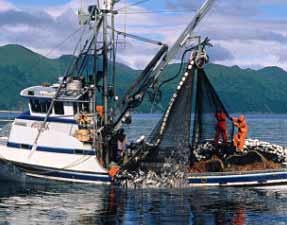
Knowing the intricacies of fishing gear is essential to on-board safety. Even seasoned fishermen take time to reacquaint themselves with the gear on an unfamiliar vessel. It is important to have a working knowledge of how everything onboard works and what to be wary of while working. Since time is of the essence during an open fishery, be sure to familiarize yourself before leaving shore and take the time beforehand to learn as much as possible.
If you’re new to fishing, carefully learn how the boat and the gear works.
Here are some points to remember before leaving and while away from port:
- Ask plenty of questions and learn everything you can from experienced crew members.
- Stand clear of working lines and cables. Getting caught can take off your finger or mangle an arm – or send you overboard.
- Keep the deck clean and free of obstructions. Clean fish slime and guts off the deck frequently.
- Keep a sharp knife handy to cut web, line, or groundline in case of an emergency. This way you can cut yourself free if you’re dragged overboard.
- Wear a personal flotation device (PFD) and non-skid boots while working on deck.
- Assume the deck is slippery at all times. Move carefully.
- Don’t use drugs or alcohol while working.
- Avoid long periods of repetitive, numbing work.
- Avoid fatigue when possible by eating plenty and resting whenever possible.
- Don’t daydream. Keep your mind on your work and always try to anticipate what will happen next.
- Watch out for fish spines, especially the poisonous ones from ratfish and spiny dogfish.
- If working in an area that has jellyfish (primarily Region 1), protect yourself from stings by wearing protective clothing and eyewear, and by rinsing your gloves before taking them off. Some fishermen wear Vaseline on their faces to protect their skin.
- Be careful – and smart – when lifting heavy objects. Back injuries are the most common fisherman’s injury. Get as close as possible to whatever you’re lifting, and BEND YOUR KNEES.
- Always wear gloves. Cuts, scrapes, and punctures are common among fishermen, and can usually be avoided by wearing gloves.