

 Teach English in Asia
  Cruise Ship Jobs
 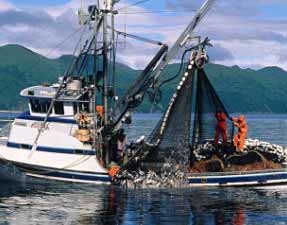 Alaska Fishing Industry Jobs
  Sharing Economy / Gig Economy
 Before you Begin: Learning about Alaska Jobs
As you read through these pages, you will gain all the information you need to find a fishing job in Alaska. Nevertheless, before jumping into the nitty gritty of the employment search, we have addressed a few questions and concerns newcomers to the industry often have. By reading through this brief overview you’ll get an idea of the topics covered in more detail in other sections and begin to feel more comfortable about your decision to find work in the Alaska fishing industry.
Q: Can I handle the work?
A: This is a very important consideration. Some people actually enjoy processing fish. Both processing and harvesting involve hard, wet, cold work. Few people return from a summer of fisheries work without feeling a degree of relief that the ordeal is behind them.
Q: When should I go?
A: Alaska fishing jobs are available in summer, in winter, and year-round, depending on the fishery and the type of work. Countless workers spend their summers processing during the salmon peak, while others head north in winter for harvesting and processing groundfish. Still others work year-round, or 10 months out of the year. Your work schedule will depend on your availability and the type of work you seek.
Q: Where should I work?
A: Different species of fish are caught and processed in different areas, and the work load often is at the whim of Mother Nature. We divide up the territory into five distinct fishery regions, each with its own peak season and living and working opportunities. Using the information provided for each region, estimate not only the type of work, but the cost of getting to your work site, the local climate, living conditions, and proximity to other places you might like to visit once you’ve finished working.
Q: How do I get a job?
A: The process for getting a harvesting job is very different than that for a processing job. Possibilities include writing or calling ahead, hooking up with a boat in Seattle during the off-season, or just showing up in an Alaska town and asking around. Your job-hunting tactics will vary depending on what type of work you’re looking for.
Q: Don’t Alaskans take all the jobs?
A:The fishing industry is a dominant force in the Alaska state economy, and Alaska residents are very much a part of the work force. But at times (especially during the summer salmon season) the need for workers far outstrips the supply, and employers must look south to fill available positions. Over half of all fishing jobs are filled by out-of-state workers.
Q: Should I work on land or on a boat?
A: Most fisheries work can be boiled down to whether it takes place onshore or offshore. All onshore jobs involve processing work. Offshore jobs can be either fishing, seafood processing, or both. We cover both areas of the industry in detail within this section. Please read both thoroughly to determine which is better for you.
Q: How will I be paid?
A: Shoreside processors usually issue pay checks every two weeks, and pay is calculated by the number of hours worked, which usually includes a large amount of overtime hours at time-and-a-half pay. Offshore processors are paid in the same manner, but often they can earn a bonus at the end of the season based on the amount of fish processed during the contract period. Fishing boat crews usually work for a percentage of their boat’s earnings (known as a crew share) and are paid one lump sum at the end of the fishing season, though they usually can make draws on their earnings during the season if necessary.
Q: Do I need any special skills or experience?
A: Most processing jobs – on boats and on land – require no previous experience. Fishing jobs are more lucrative, but employers often require some offshore experience. Many fishermen start out as offshore processors and work their way up to the more coveted harvesting jobs.
Q: Can I afford the financial risks?
A: Not everyone who goes to Alaska makes a ton of money, and some never find work at all. You’ll be at a distinct advantage having read about the industry, but there is no guarantee you’ll end up rich! You’ll also need to make sure you bring enough money with you for getting started – about three weeks’ worth of living expenses – until you find a job.
Q: Is it hard for women to find work?
A: While still largely a male-dominated industry, fish harvesting and processing employs a considerable number of female workers. Women are very much part of the work force, especially at onshore processors. Some women do work on fishing vessels, but this is not as common. There are even some harvesting boats owned by women.
Hopefully this question and answer section has given you some insight into the Alaska fishing industry. Now that you have a general idea of the pros and cons of this type of work, it’s time to start your job search.